1. What is organic fertilizer made from?
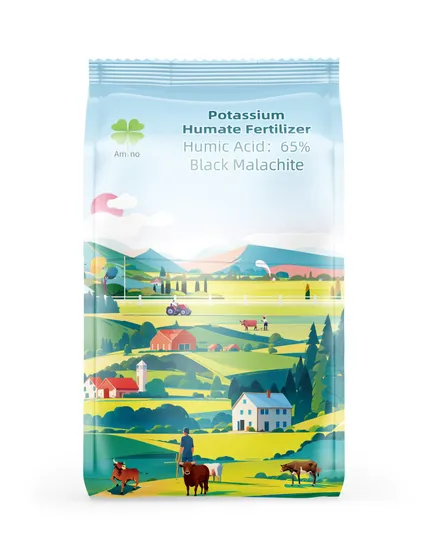
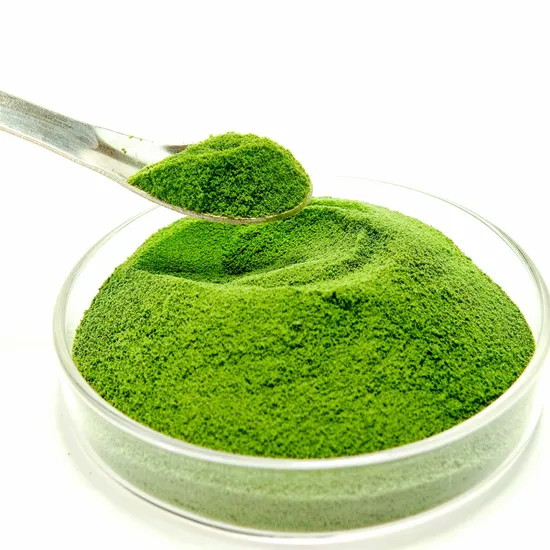
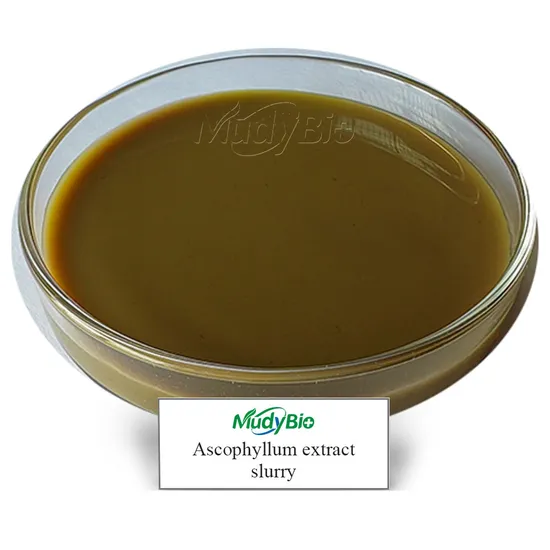
Organic fertilizer is produced from natural materials such as compost, animal manure, plant residues, bone meal, fish emulsion, and seaweed extracts. These ingredients provide essential nutrients while improving soil structure and microbial activity.
2. How does organic fertilizer improve soil health?
Organic fertilizers enhance soil fertility by increasing organic matter content, improving water retention, promoting beneficial microorganisms, and supporting long-term nutrient availability.
3. Is organic fertilizer suitable for all crops?
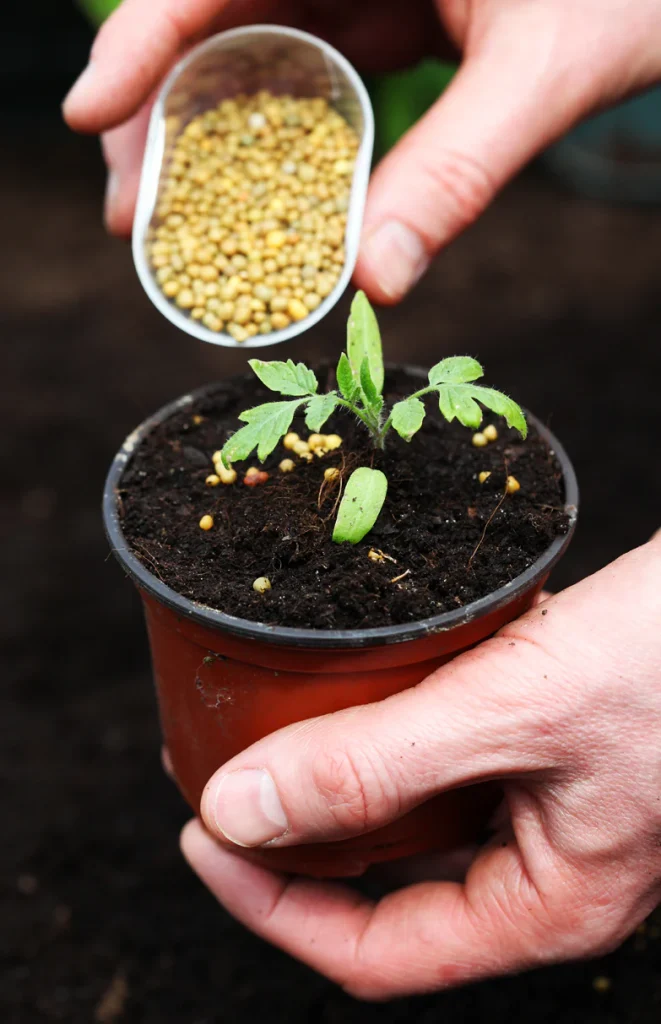
Yes. Organic fertilizer can be used for vegetables, flowers, fruits, grains, and field crops. The application rate may vary depending on crop type and soil condition.
4. How often should organic fertilizer be applied?
Application frequency depends on the crop and soil test results, but most farmers apply organic fertilizer before planting and supplement during the growing season as needed.
5. Does organic fertilizer increase crop yield?
When applied correctly, organic fertilizer improves root development, nutrient absorption, and plant strength, which can significantly increase crop yield and quality.
6. What is the difference between organic and chemical fertilizers?
Organic fertilizers release nutrients slowly and improve long-term soil health, while chemical fertilizers provide quick nutrient availability but may degrade soil structure if overused.
7. Can organic fertilizer be used in greenhouse farming?
Yes. Many greenhouse growers use liquid organic fertilizers and compost-based solutions to maintain soil health and consistent plant growth.
8. Where can I buy high-quality organic fertilizer in bulk?
You can purchase premium organic fertilizer directly from trusted agricultural suppliers offering wholesale and export services. Contact us for customized supply options tailored to your farming needs.