Fertilizer for Wheat: Maximizing Yield, Quality, and Farm Profitability

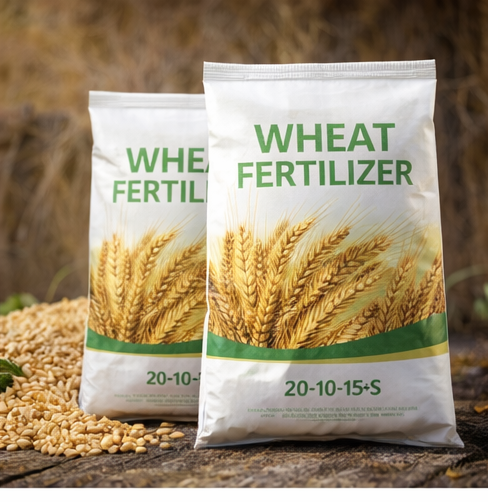
High-quality fertilizer for wheat plays a decisive role in achieving strong root development, optimal tillering, and high grain protein content, making it a critical input for both smallholder farmers and large-scale commercial producers. Our wheat fertilizer solutions are formulated with balanced NPK ratios and essential micronutrients to support every growth stage—from pre-sowing soil preparation to heading and grain filling—ensuring improved yield stability and enhanced crop quality. When paired with advanced

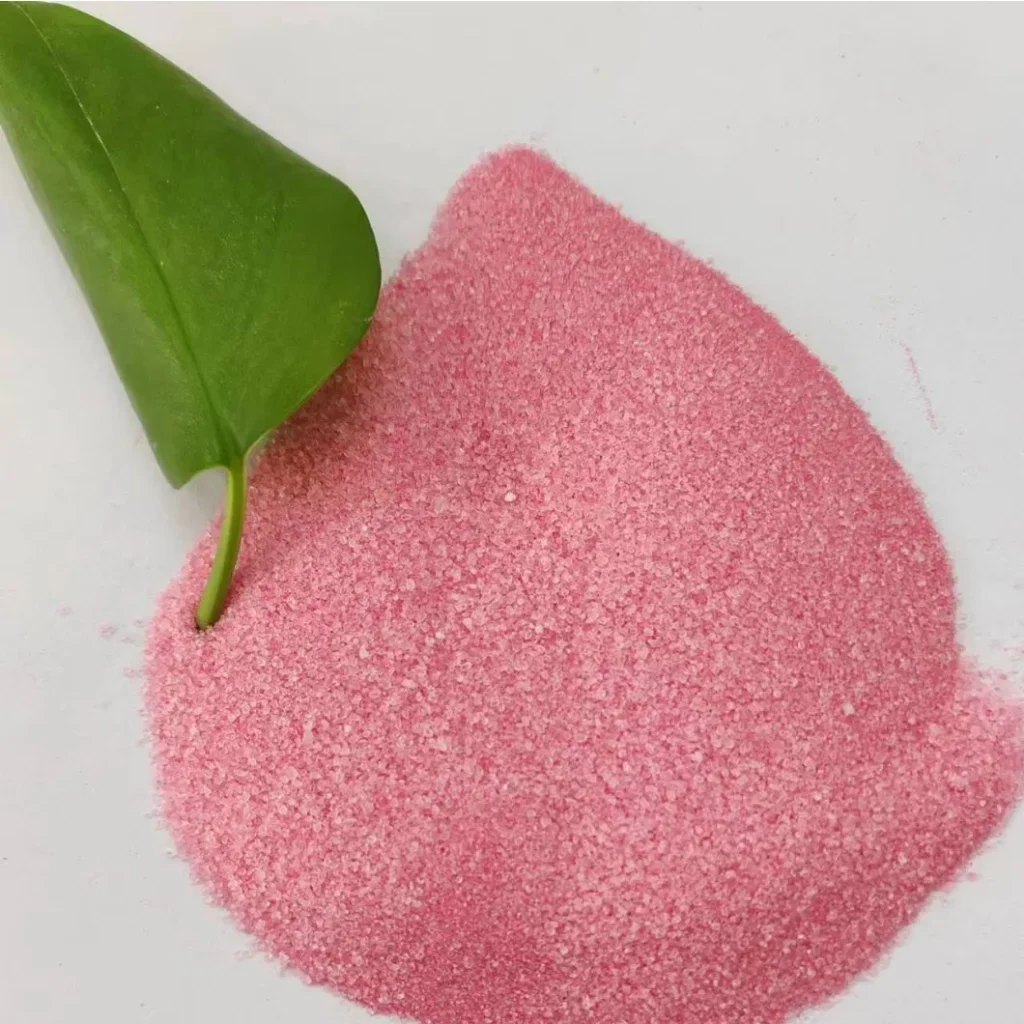
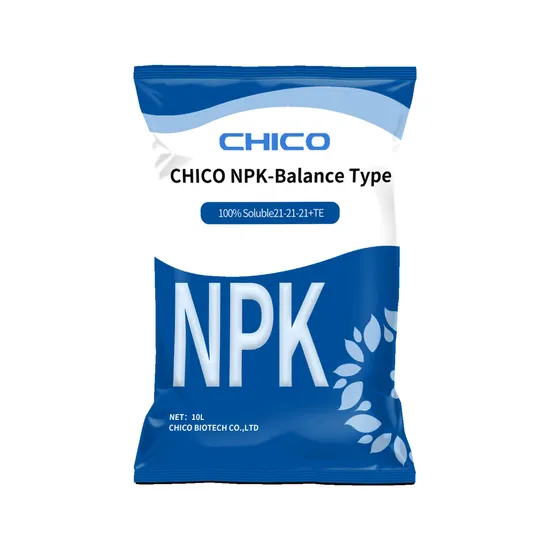
Powder NPK Fertilizer for Vegetables Fruits Rice Wheat 100% Water Soluble US$1300.00-1,900.00    27 Tons

Full Nutrient Compound Fertilizer 16-16-8 with Long Time Cooperation for Soil for Rice Wheat and

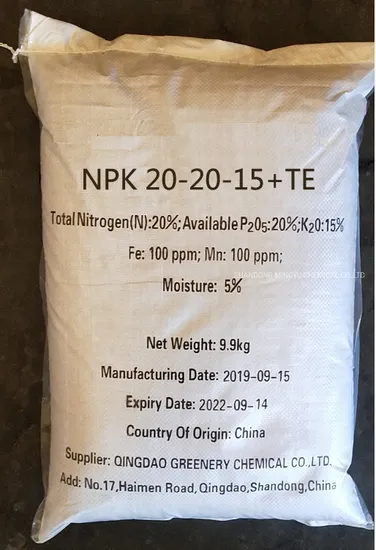
Compound Fertilizer for Paddy Wheat Corn US$1079.00-1229.00   25 Tons (MOQ) Product Description Name NPK 20-20-15+TE

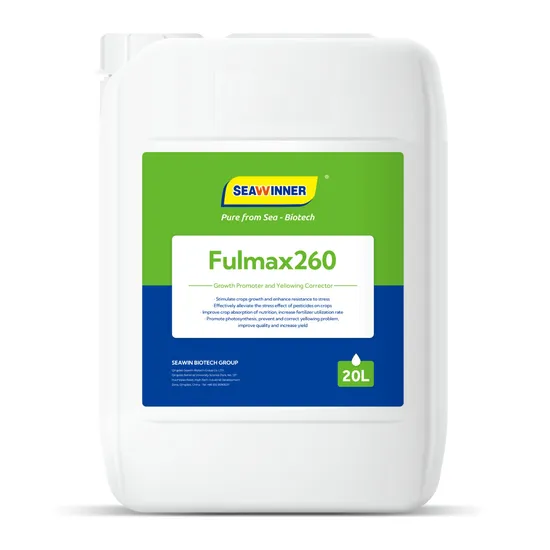
Amino Acid Liquid Fertilizer Fertilizer for Corn and Wheat Rice US$6.00     2,000 L

Trace Elements Zn Mg Compound TE Powder Fertilizer US$3.00-20.00 1,000 kg (MOQ) Product Description Introduction CHICO

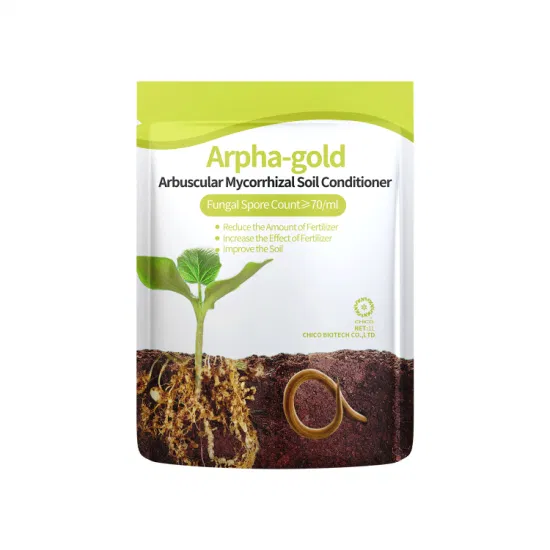
Arbuscular Mycorrhiza Bio Fertilizer Soil-Born Disease resistance to nematodes US$15.00-25.00 1 Kilo Liter (MOQ) Product Description

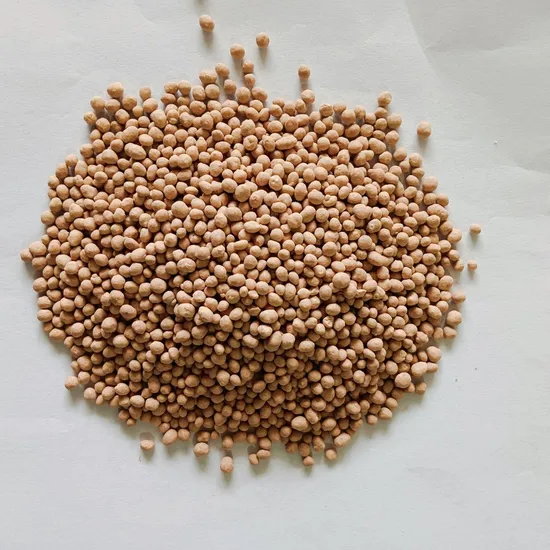
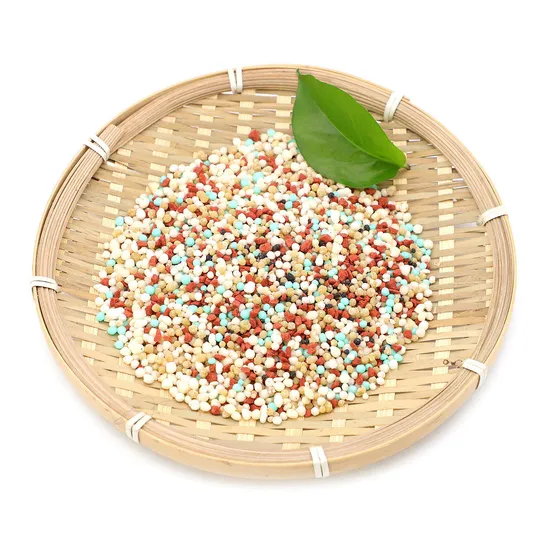
NPK Granular Fertilizer for Rice Wheat Coron US$1250.00    5-21 Yards US$1220.00    22-49 Yards US$1210.00   

Compound NPK Fertilizer Corn Wheat Fertilizer US$680.00-780.00  25 Tons (MOQ) Product Description MANUFACTURERS HOT PRODUCTS

Wheat production requires a carefully managed nutrient strategy to ensure strong germination, vigorous tillering, optimal stem strength, and high grain protein content. Using the right fertilizer for wheat farming significantly improves crop uniformity, disease resistance, and final harvest output. Wheat is highly responsive to nitrogen for vegetative growth, phosphorus for root establishment, and potassium for stress tolerance and grain filling. In addition, micronutrients such as zinc and sulfur can enhance protein formation and overall crop performance. Proper timing—pre-plant soil application, early tillering top-dressing, and heading-stage supplementation—ensures nutrients are efficiently absorbed and utilized.

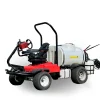
Modern fertilizer application machinery further increases efficiency and precision. With advanced spreaders and applicators, farmers achieve uniform nutrient distribution, reduced fertilizer waste, lower labor costs, and faster field coverage. For agribusiness companies, cooperatives, and large-scale producers, investing in high-performance fertilizer equipment improves operational scalability, enhances input control, and increases return on investment. Through our direct negotiation model, we connect farmers, agricultural industries, and fertilizer machinery manufacturers to secure factory pricing without unnecessary intermediaries. This ensures competitive costs, reliable bulk supply, and long-term profitability across the value chain.

👉 Contact us today to order premium wheat fertilizers and improve your farm productivity.

Frequently Asked Questions (FAQ) – Wheat Fertilizer

  1. What is the best fertilizer for wheat farming?

The best fertilizer for wheat typically contains balanced nitrogen (N), phosphorus (P), and potassium (K). Nitrogen supports vegetative growth and protein development, phosphorus enhances root strength, and potassium improves stress resistance and grain quality. Soil testing is recommended for precise formulation.

  1. When should fertilizer be applied to wheat crops?

Fertilizer is usually applied in stages:

  • Basal application before planting
  • Early tillering stage
  • Stem elongation or heading stage
    Split application improves nutrient efficiency and yield.
  1. Why is nitrogen important for wheat?

Nitrogen is essential for leaf development, chlorophyll production, and grain protein content. Proper nitrogen management directly influences final yield and market value.

  1. Do fertilizer application machines improve efficiency?

Yes. Modern fertilizer spreaders and precision applicators ensure even nutrient distribution, reduce labor costs, minimize fertilizer loss, and improve overall productivity.

  1. Can wheat fertilizer be supplied in bulk?

Yes. We facilitate bulk fertilizer supply directly from manufacturers, ensuring competitive pricing and reliable large-scale distribution.

  1. How do companies benefit from acquiring fertilizer machinery?

Companies gain operational efficiency, scalability, reduced labor dependency, improved field coverage speed, and better cost control—resulting in stronger profit margins.

  1. How can I access manufacturer pricing?

We negotiate directly between farmers, industries, and machinery manufacturers to provide factory-direct pricing. Contact us for customized quotes and bulk supply agreements.


Share:

More Posts

Send Us A Message

Select your currency
USD United States (US) dollar
EUR Euro
0