AI Is Replacing Jobs—Why Starting a Farm Could Be Your Smartest Financial Move in 2026 and Beyond
The conversation around Artificial Intelligence is no longer speculative. It is operational, active, and aggressively reshaping industries. From customer service to logistics, marketing to finance—roles that once required human effort are now being automated with increasing efficiency. This creates a simple but uncomfortable reality:
👉 Job security is declining across multiple sectors.
The mistake many people are making is assuming this transition will be slow. It won’t. Companies are driven by cost-efficiency, and AI reduces costs significantly.
So the real question becomes:
What do you do when your primary source of income is no longer reliable?
The answer is not to wait. It is to transition into industries that cannot be replaced easily—and agriculture sits at the top of that list.
Why Agriculture Remains One of the Most Resilient Industries
Unlike digital services or administrative roles, agriculture is tied directly to human survival. No algorithm can replace the need for food production.
Core Reasons Agriculture Is Future-Proof
1. Non-Negotiable Demand
Food demand is constant and increasing due to:
- Population growth
- Urban expansion
- Rising global consumption
2. Tangible Output
Unlike digital work, farming produces:
- Physical goods
- Tradeable commodities
- Long-term assets
3. Global Market Access
Agricultural products are not limited to local markets:
- Crops can be exported
- Processed goods can scale internationally
4. Government Support
Many governments actively support agriculture through:
- Subsidies
- Grants
- Training programs
Modern Farming: From Labor-Intensive to Technology-Driven
Agriculture in the 21st century is no longer what it once was. The long-standing image of hard work in the fields has become a myth. Modern farmers operate with the help of technology instead of sweat and toil. With automation, precision instruments, and data-driven decisions, agriculture has expanded its reach and become more efficient. New possibilities are emerging, and people without farming experience can now enter the agricultural business through technology and smart farming systems.
Smart Container Farming: A Controlled and Scalable Model
The most strategic way to go into agriculture is container farming. For beginners and urban investors alike, container farming involves cultivating crops inside adapted shipping containers fitted with climate control systems, LED grow lights and automatic irrigation. The most modern way to farm, this method is efficient because it allows for year-round production that doesn’t depend on weather, seasons or soil. In addition, it allows for economical and profitable farm production in urban areas, on small plots of land and even in industrial sites. Because produce is grown in a controlled environment, crop failure, pest damage and weather damage are largely eliminated, and risk is reduced.
Agricultural Drones: Efficiency at Scale
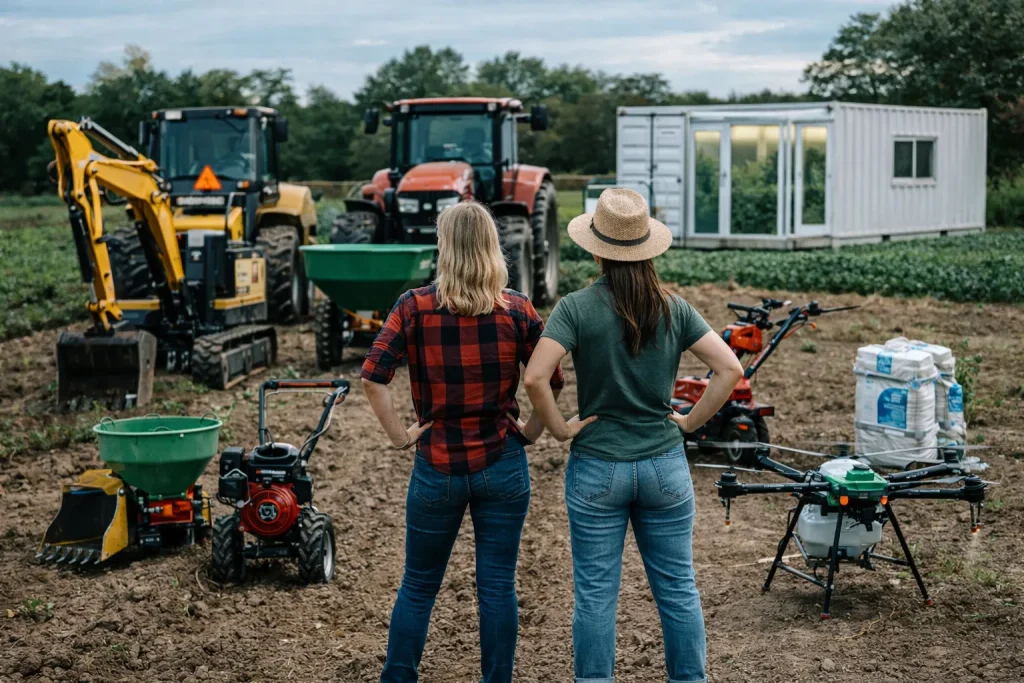
Agricultural drone technology is now essential for serious operators The use of drones in modern agricultural operations allows the operator to increase efficiency and productivity. Drones are capable of precision spraying, guaranteeing accurate fertilizer application, less chemical waste and better crop health. Drones also save a tremendous amount of time, delivering what would take hours to accomplish manually in mere minutes. Drones also reduce labor cost, allowing the operator to run the operation with fewer workers, reducing overall cost.
Essential Agricultural Equipment: The Backbone of Profitability
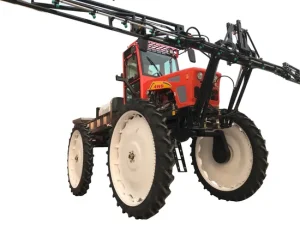
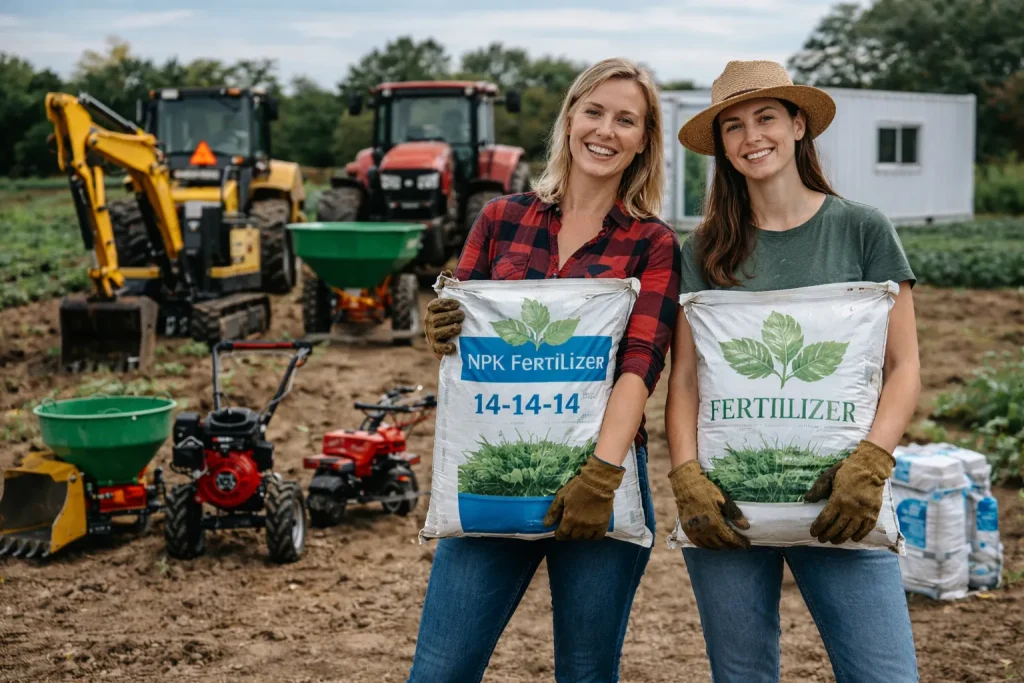
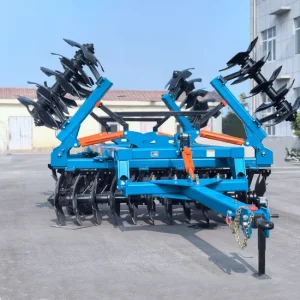
Essential Agricultural Tools: How to Choose the Best Tractor for Your Farm Profitable farming is impossible if you don’t have the right agricultural tools. Without these essential tools, the farm work will not become efficient and effective. Tractors are the most essential machine for a farm because they are used to prepare the soil, transport products and for heavy work. Therefore, a good quality tractor will directly affect the whole farm production.